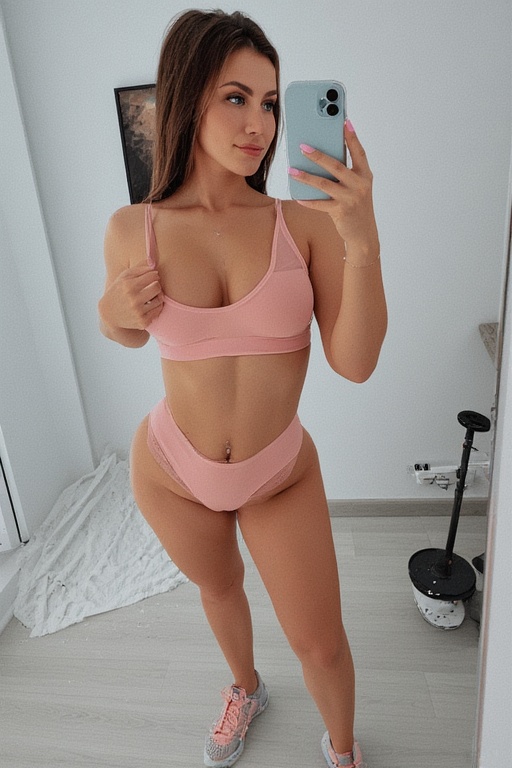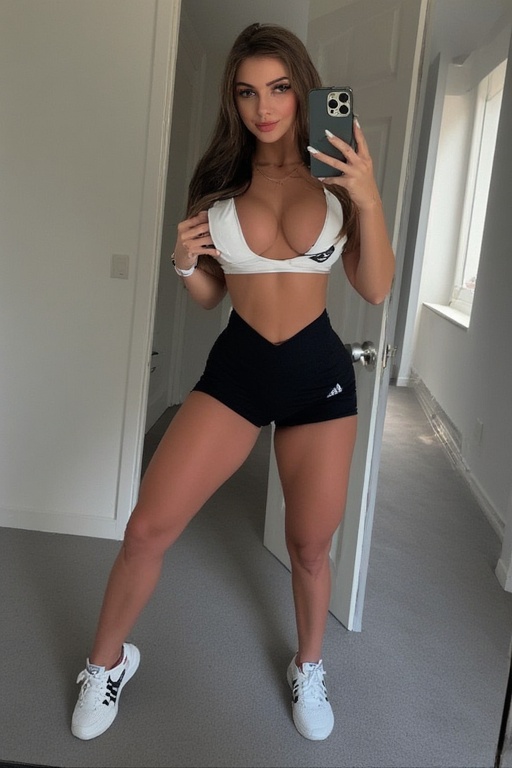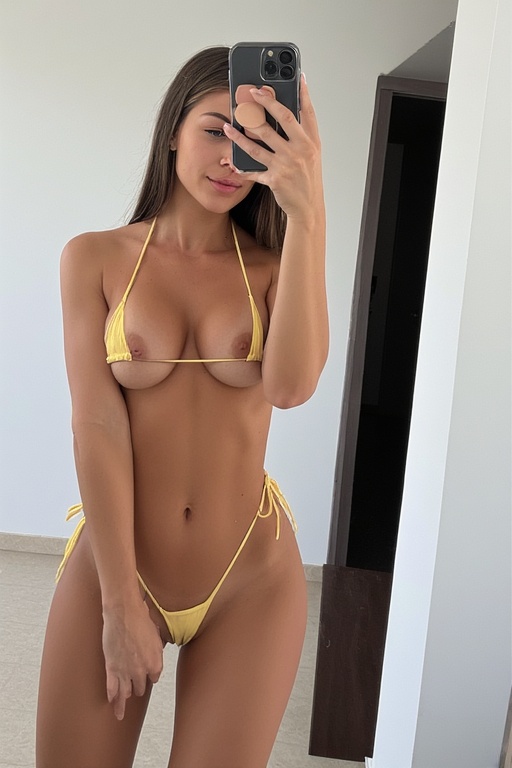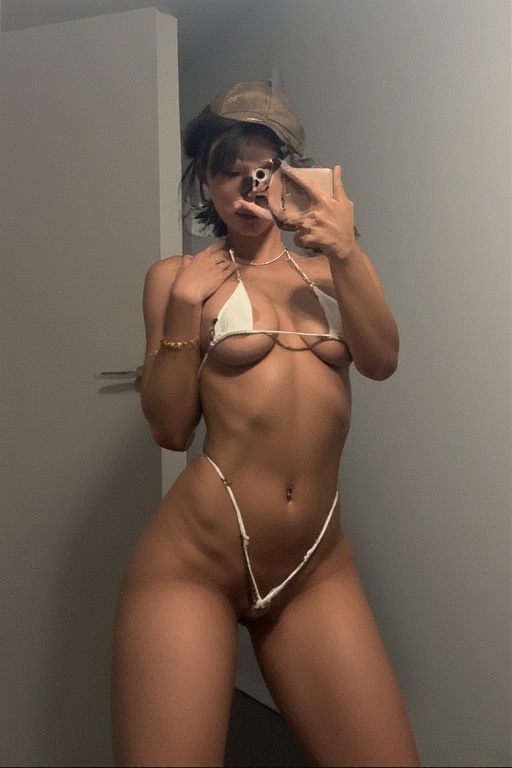
The question of whether selling adult content online constitutes "sex work" doesn't have a simple answer - and the people most affected by the classification are the creators themselves. Legal definitions vary by jurisdiction. Cultural attitudes are shifting. And platforms like SexySelfies, which operate under "Instagram Plus" standards (sexy but not pornographic), occupy a middle ground that existing frameworks struggle to categorize.
Understanding how jurisdictions, culture, and technology are reshaping what "sex work" means in the digital age
In 2025, the global creator economy surpassed $250 billion in annual revenue. A meaningful slice of that comes from adult and semi-adult content platforms - OnlyFans alone reported $6.6 billion in gross merchandise value. Yet the millions of people creating this content exist in a legal and cultural gray zone that neither traditional labor law nor sex work advocacy frameworks have fully addressed. Is someone who posts lingerie selfies for $0.99 unlocks engaged in sex work? What about someone who sells explicit videos? Where exactly is the line, and who gets to draw it?
These aren't abstract philosophical questions. The classification has real consequences for banking access, insurance eligibility, tax treatment, child custody proceedings, security clearances, and social stigma. A creator who is classified as a "sex worker" in one jurisdiction may face restrictions that don't apply to someone doing identical work classified as "entertainment" or "modeling" in another. The stakes are personal, financial, and legal - and the frameworks we use to answer these questions were written decades before anyone imagined a smartphone-based content economy.
In the United States, "sex work" has no single federal legal definition. Prostitution laws vary by state and typically require physical contact or in-person sexual services. Producing pornography is protected under the First Amendment as established in California v. Freeman (1989), though it requires compliance with 18 U.S.C. 2257 record-keeping requirements. But what about content that falls between Instagram-appropriate and pornographic? The law is largely silent. Suggestive selfies, lingerie photos, and implied nudity occupy legal territory that most statutes were never written to address.
The United Kingdom takes a different approach. The Sexual Offences Act 2003 defines sex work around the provision of sexual services involving physical presence. Online content creation, even explicit content creation, generally falls outside this definition. However, UK tax authorities (HMRC) have been increasingly interested in classifying creator income, and the regulatory framework around Online Safety Act provisions has created new compliance obligations for platforms hosting adult content. Creators in the UK occupy a space that's legally distinct from sex work but culturally entangled with it.
The European Union presents yet another landscape. Germany, where sex work is legal and regulated, explicitly distinguishes between in-person sexual services and digital content creation. The Netherlands takes a similar approach. But countries like France and Sweden, which follow the "Nordic model" of criminalizing the purchase (not sale) of sexual services, have begun debating whether purchasing explicit digital content constitutes "buying sex." No consensus has emerged, and the legal treatment varies not just by country but sometimes by municipality.
Australia, which has partially decriminalized sex work in most states, generally treats online content creation as a separate category. New Zealand's Prostitution Reform Act 2003, often cited as the most progressive sex work legislation globally, specifically addresses in-person services and doesn't extend its protections or regulations to digital creators. This means content creators in New Zealand have fewer legal protections than in-person sex workers - an ironic outcome of legislation designed to protect.
One of the fundamental problems with the "is it sex work?" question is that "adult content" encompasses an impossibly broad range of material. At one end, you have fully explicit pornographic videos involving sexual acts. At the other, you have fitness influencers in sports bras who monetize their physical appearance. Between those poles lies an enormous gray zone: lingerie photos, bikini content, implied nudity, suggestive poses, ASMR with sexual undertones, feet content, and the "Instagram Plus" category that platforms like SexySelfies specifically serve.
Treating all of this as "sex work" flattens important distinctions. A creator posting bikini selfies on SexySelfies is doing something categorically different from someone performing explicit acts on camera, even though both involve monetizing physical appearance. The labor involved is different. The risks are different. The audience expectations are different. And importantly, the creators themselves overwhelmingly describe their work differently. Research from the University of Birmingham's Digital Sex Work Project (2023) found that only 23% of creators producing non-explicit content self-identified as sex workers, compared to 71% of those producing explicit content.
SexySelfies operates explicitly within the non-explicit space. The platform's "Instagram Plus" content standard - sexy but not pornographic, allowing lingerie and implied nudity but prohibiting explicit content - places it in the territory that existing legal frameworks handle least well. It's too sexual for mainstream social media. It's not sexual enough for pornography regulations. It exists in the space between, and that space is where millions of creators now work.
The practical consequences of how content creation gets classified are severe. Banking is the most immediate issue. In the United States, Operation Choke Point (launched in 2013, officially ended in 2017 but with lasting effects) encouraged banks to "de-risk" by refusing services to businesses in industries deemed reputationally risky - including adult entertainment. Today, creators regularly report having bank accounts frozen or closed when financial institutions discover the source of their income. A 2024 survey by the Free Speech Coalition found that 45% of adult content creators had experienced banking discrimination, with the rate dropping to 18% for creators producing only non-explicit content.
Insurance is another battleground. Health insurance applications in the US don't typically ask about content creation, but life insurance and disability insurance applications often include questions about occupation that can trigger underwriting reviews. Creators who are classified as "entertainment" professionals face different actuarial treatment than those classified under adult services. The difference can mean thousands of dollars in annual premiums - or outright denial of coverage.
Tax treatment varies as well. In most jurisdictions, income from content creation is simply self-employment income, taxable like any freelance work. But the IRS has specific audit triggers for businesses coded under adult entertainment NAICS codes, and the tax preparation industry has an uneven track record of advising creators on proper business classification. Some tax preparers refuse adult content clients entirely, while others incorrectly advise creators to use misleading business descriptions - which creates its own legal risks.
Then there's stigma - perhaps the most pervasive consequence of all. Content creators report discrimination in housing applications, custody disputes, professional licensing, and social relationships when their work is discovered and categorized as "sex work." A 2025 study published in the Journal of Sex Research found that people who learned someone created non-explicit adult content (lingerie, implied nudity) judged them significantly less harshly than those told the same person created explicit content - but both groups faced measurably more prejudice than a control group. The stigma exists on a gradient, but it exists across the entire spectrum.
The Self-Identification Gap: Research consistently shows that creators producing non-explicit content rarely identify as sex workers. On platforms like SexySelfies, where content standards prohibit explicit material, creators describe themselves as models, influencers, or content entrepreneurs. This self-identification matters because it shapes how creators interact with legal systems, financial institutions, and their own communities.
The Platform Standard Effect: The content rules a platform enforces directly shape the classification conversation. SexySelfies' "Instagram Plus" standard creates a distinct category - sexier than mainstream social media but explicitly non-pornographic. This gives creators a clear framework for describing their work to banks, insurers, and tax professionals that avoids the ambiguity plaguing creators on platforms without clear content boundaries.
Economic Parallels with Mainstream Entertainment: Professional modeling, acting in romantic scenes, performing in music videos with sexual themes, and dancing in revealing costumes are all legal, mainstream, and culturally accepted forms of monetizing physical appearance and sexuality. The only meaningful difference between these professions and non-explicit content creation is the distribution channel - a smartphone instead of a studio, a platform instead of a network.
The Destigmatization Movement: Organizations like the Adult Performance Artists Guild, the Free Speech Coalition, and newer groups specifically focused on digital creators are working to separate the legal protections sex workers deserve from the stigma that harms all creators. The goal isn't to avoid association with sex work - it's to ensure accurate classification that serves everyone's interests.
The classification question isn't just legal and financial - it's deeply personal. Creators navigating this space frequently report a sense of identity limbo: they're creating content they're proud of, earning income they value, but existing within a cultural framework that can't decide whether to celebrate or stigmatize them. A 2024 meta-analysis in Psychology of Popular Media found that creators on non-explicit platforms reported higher job satisfaction and lower rates of anxiety than those on explicit platforms, but both groups reported elevated stress related to potential exposure and social judgment.
Community plays a critical role here. Platforms that foster creator communities - where people can share experiences, discuss challenges, and normalize their work - show measurably better mental health outcomes for their creators. SexySelfies' approach of building direct connections between creators and members, rather than anonymous content consumption, contributes to a sense of professional identity that pure content-dump platforms can't provide. When a creator has regular members who tip, message, and engage with their content, the work feels less like performing for an invisible audience and more like running a small business with known customers.
The legal and cultural frameworks for classifying content creation are evolving, albeit slowly. Several trends are converging that will shape the next decade of this conversation. First, the sheer number of creators is making the "fringe activity" framing untenable - when millions of people are doing something, it stops being fringe and starts being an industry that demands proper regulatory treatment. Second, mainstream companies entering the creator economy (Meta, X, Snapchat all have or have had creator monetization features that permit semi-adult content) are normalizing what was previously platform-specific. Third, labor law is beginning to catch up, with the EU's Digital Services Act and various state-level creator protection bills in the US establishing frameworks that treat content creation as legitimate work without the sex work classification.
For creators on platforms like SexySelfies, the trajectory is encouraging. The "Instagram Plus" standard positions content creation firmly within the entertainment and modeling spectrum rather than the adult services spectrum. The micro-transaction model (paying per piece of content rather than subscribing to a person) mirrors how consumers pay for entertainment across every other medium. And the platform's verification, moderation, and payment infrastructure provides the kind of institutional framework that makes professional classification straightforward. The answer to "is this sex work?" increasingly depends not on whether the content involves physical appearance and sexuality - virtually all entertainment does - but on the specific nature of the content, the platform standards governing it, and the legal jurisdiction reviewing it. For non-explicit content creators, the answer is increasingly clear: it's content creation, it's entrepreneurship, and it deserves to be treated as such.
Real verified creators sharing authentic content on SexySelfies
Understanding the meaningful differences between non-explicit and explicit content platforms
From signup to connection in under a minute
30-second signup on any device. No credit card required to browse. Your profile stays private by default
Tinder-style discovery: swipe through real, ID-verified creators. Filter by body type, style, location, and more
See a preview that catches your eye? Unlock the full photo or video for $0.99-$3.99. No subscriptions, ever
Message your favorite creators, tip content you love, request custom selfies, and build genuine connections
What creators and members want to know about content creation, classification, and the law
In the vast majority of jurisdictions, no. Sex work laws typically require physical contact or in-person sexual services. Selling non-explicit photos online - lingerie, bikini shots, implied nudity - falls under content creation, modeling, or entertainment. Even in jurisdictions with broader definitions, "Instagram Plus" content (sexy but not pornographic) is generally treated as a distinct category from sex work under the law.
SexySelfies' non-explicit content standard significantly reduces banking discrimination risk. While creators on explicit platforms report banking issues at rates of 45%+, creators producing non-explicit content face discrimination at rates under 18%. The platform's "Instagram Plus" standard makes it straightforward to describe your work to financial institutions as modeling or content creation, which are well-understood business categories.
Income from SexySelfies is self-employment income, reported on Schedule C (US) or equivalent forms in other countries. The appropriate business classification is content creation, digital modeling, or online entertainment. We recommend working with a tax professional familiar with creator economy income. SexySelfies provides earnings documentation that makes tax reporting straightforward, and our business model - micro-transactions for content unlocks - clearly positions the income as entertainment revenue.
The key difference is content standards. SexySelfies enforces "Instagram Plus" guidelines: lingerie, bikini, implied nudity, and suggestive content are welcome, but explicit nudity and sexual content are prohibited. This positions creators in a different legal, financial, and social category than those on explicit platforms. Additionally, SexySelfies uses micro-transactions ($0.99-$3.99) instead of subscriptions, and features Tinder-style discovery so creators don't need to drive external traffic.
Family courts evaluate the "best interests of the child," and a parent's occupation can be raised as a factor. Non-explicit content creation has significantly less legal exposure than explicit content in custody proceedings. Courts have increasingly recognized that modeling and content creation are legitimate professions. However, outcomes vary by jurisdiction and judge. If you're concerned about custody implications, consulting a family law attorney in your jurisdiction is advisable.
Yes. Every creator on SexySelfies must submit government-issued photo ID before their profile goes live. This verification process protects you (by ensuring no one can impersonate you), protects members (by confirming every creator is real), and protects the platform's integrity. It also provides documentation that you're operating a legitimate content creation business, which is useful for banking and tax purposes.
Earnings vary widely based on content quality, posting frequency, and engagement with members. Creators who post daily and actively interact with their audience typically earn more than passive posters. The micro-transaction model means you don't need a huge following to earn - even 50 regular members unlocking a few pieces of content weekly generates meaningful income. Creators keep 80% of every transaction, and payouts are processed weekly.
Not on SexySelfies. The platform's content standards are firm - explicit content is prohibited, full stop. This eliminates the escalation pressure that creators on unrestricted platforms frequently report. You'll never lose access to the platform for not going "far enough," and the discovery-based model means new members are constantly finding your content regardless of where you fall on the suggestiveness spectrum. The boundary is built into the platform, not left to individual creators to enforce.
All content is behind a paywall and not indexable by search engines. SexySelfies operates an active DMCA takedown program - if your content appears on another site, our team files takedowns on your behalf. The platform also uses technical protections to make screenshotting and downloading more difficult (though no system is completely screenshot-proof). For creators, this means your content stays where you chose to publish it.
Legal frameworks are evolving, but the trend is toward distinguishing digital content creation from traditional sex work, not conflating them. The EU's Digital Services Act, various US state-level creator protection bills, and court decisions globally are establishing content creation as its own category. Platforms like SexySelfies, which maintain clear content standards and verification processes, are well-positioned regardless of how definitions evolve because they operate with transparency and compliance infrastructure already in place.
Explore more about content creation, the creator economy, and SexySelfies
A focused look at the selfie economy and its classification
How to start earning as a content creator on SexySelfies
Our mission, values, and how we're changing the creator economy
Practical strategies for building income through content creation
Join a platform where creators are verified, content standards are clear, and you keep 80% of everything you earn. SexySelfies: sexy content, real people, legitimate business. Free to join, $0.99 to unlock.